Confined Space
Confined Space Drone Inspection
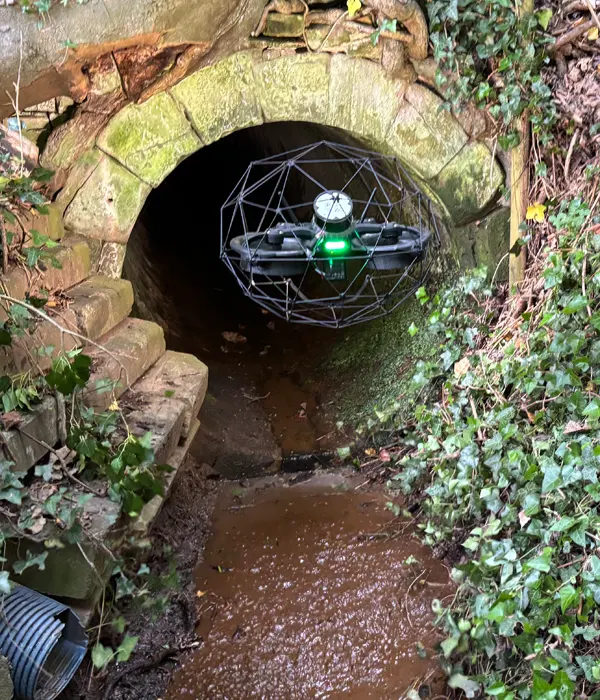
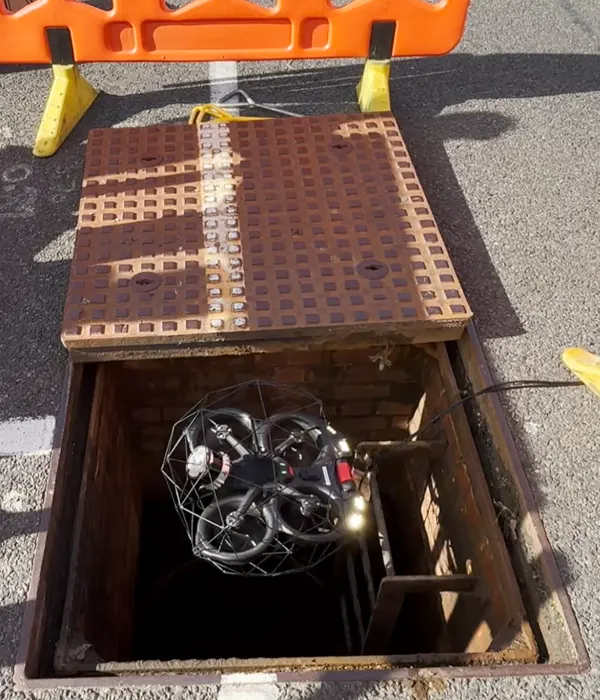
Confined space drone inspections are a safe, efficient, and cost-effective way to survey hard-to-reach environments without the need for human entry. Using specialist drones designed for GPS-denied and hazardous spaces, we inspect assets such as tanks, culverts, tunnels, silos, and underground infrastructure. We also inspect various elements within commercial or industrial buildings e.g. ceiling voids, M&E plant rooms, atriums, warehouse ranking etc.
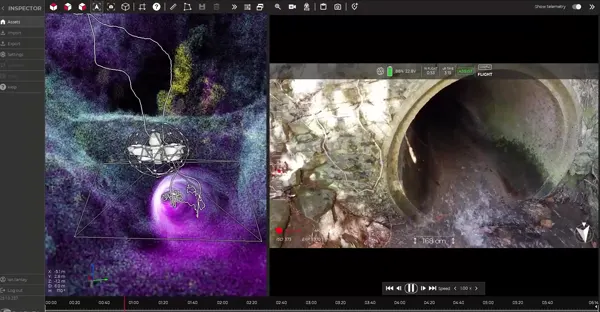
High-resolution cameras, integrated lighting, thermal and LiDAR sensors allow us to capture detailed visual data and 3D point clouds even in dark, confined conditions. This approach significantly reduces health and safety risks, minimises disruption, and eliminates the need for scaffolding, rope access, or shutdowns. Confined space drone inspections deliver accurate, repeatable condition data to support maintenance planning, compliance, and asset management across construction, utilities, industrial, and infrastructure sectors.
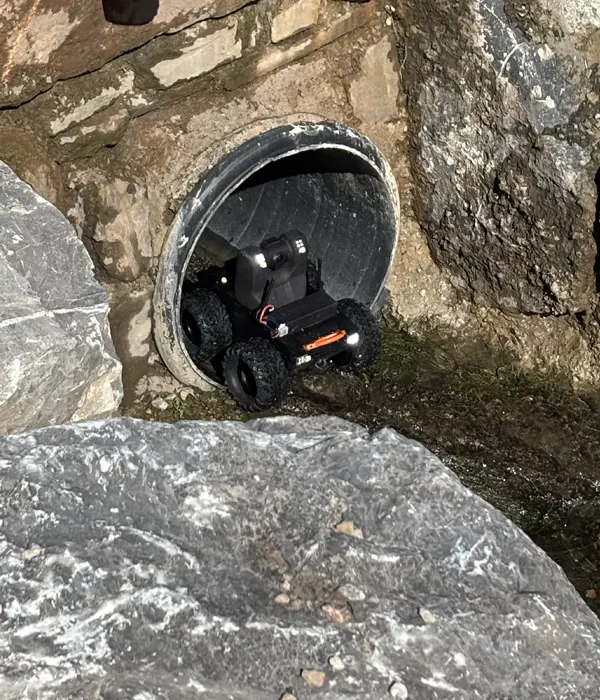
Confined Space Specified Risk
Confined space specified risk refers to work activities carried out in enclosed or partially enclosed spaces where serious hazards may be present. These risks include toxic or flammable atmospheres, oxygen deficiency, flooding, heat, entrapment, or structural instability.
Under the Confined Spaces Regulations, specified risks must be identified, assessed, and controlled before work begins. Typical confined spaces include tanks, culverts, silos, tunnels, manholes, and underground chambers. Managing confined space specified risk requires robust risk assessments, safe systems of work, trained personnel, and appropriate emergency arrangements. By identifying and controlling specified risks at an early stage, organisations can significantly reduce the likelihood of serious injury or fatality while maintaining compliance with health and safety legislation across construction, utilities, industrial, and infrastructure environments.
Why choose a confined space inspection?
Confined space inspections are chosen primarily to reduce risk, improve safety, and deliver better-quality data compared to traditional access methods. According to the UK Health and Safety Executive (HSE), confined spaces remain one of the highest-risk working environments, with fatalities most commonly caused by toxic atmospheres, oxygen deficiency, flooding, and entrapment. Eliminating the need for human entry is therefore the most effective control measure.
Using confined space drone inspection technology you can reduce health and safety risk by up to 100% for entry-related hazards, as no personnel are required to enter the space. Inspections that previously required full confined space permits, rescue teams, gas monitoring, scaffolding, or rope access can often be completed in hours instead of days, significantly reducing downtime and cost.
From a data perspective, confined space inspections provide high-resolution, repeatable visual records and 3D point clouds, allowing defects to be measured, tracked over time, and reviewed remotely. This improves transparency, supports compliance with the Confined Spaces Regulations, and enables more informed maintenance and asset management decisions.
Ultimately, confined space drone inspections offers a safer, faster, and more cost-effective way to manage high-risk assets while maintaining full regulatory compliance.
Frequently asked questions
What is the cost of a confined space inspection?
Confined space drone inspection costs vary depending on the size, complexity, and environment of the asset being surveyed. Factors influencing cost include access arrangements, inspection duration, site safety requirements, and whether additional data such as thermal imaging, LiDAR, or 3D modelling is required.
Compared to traditional confined space inspection methods, drone-based inspections are often significantly more cost-effective. By removing the need for human entry, scaffolding, rope access, rescue teams, and prolonged shutdowns, overall project costs and downtime are reduced. In addition, confined space drones deliver high-resolution, auditable digital data that can be reused for future inspections, helping asset owners reduce long-term inspection and maintenance costs while maintaining full compliance with health and safety regulations.
What are the different types of confined spaces?
Confined spaces are enclosed or partially enclosed areas with limited access and poor ventilation, where there is an increased risk to health or life. Common types include tanks and vessels (such as water tanks, fuel tanks, and digesters), tunnels and culverts, manholes and chambers, silos and hoppers, and underground structures like basements, vaults, and flood attenuation tanks. These spaces are often associated with hazards such as toxic or flammable atmospheres, oxygen deficiency, flooding, engulfment, and restricted escape routes.
Confined spaces are also frequently found within buildings and infrastructure, including lift shafts, service risers, ceiling voids, ventilation ducts, plant rooms, and underfloor voids. Although they may appear low risk, these environments can still present significant dangers due to electrical equipment, heat, poor visibility, or structural constraints. Because of the varied and hazardous nature of confined spaces, thorough risk assessment and control measures are essential, and non-entry solutions such as confined space drone inspections are increasingly used to improve safety and efficiency.
How long does a confined space inspection take?
The duration of a confined space survey or inspection depends on the size, complexity, and access conditions of the space being inspected. In many cases, a confined space drone inspection can be completed within a few hours, including setup, data capture, and demobilisation. Small assets such as chambers or tanks may take less than one hour, while larger or more complex spaces such as tunnels, culverts, or multi-compartment tanks may take longer. Compared to traditional inspection methods, which can take several days due to permits, access equipment, and safety controls, confined space inspections are significantly faster and cause minimal operational disruption.